Detailed Comparison

Gaggia Magenta Prestige vs Jura ENA 4

Technical Analysis & Maintenance Data verified by Dino Caputo • IT Infrastructure Consultant

Key Differentiators:

  • Gaggia Magenta Prestige: a modern interface with a sturdy carafe system
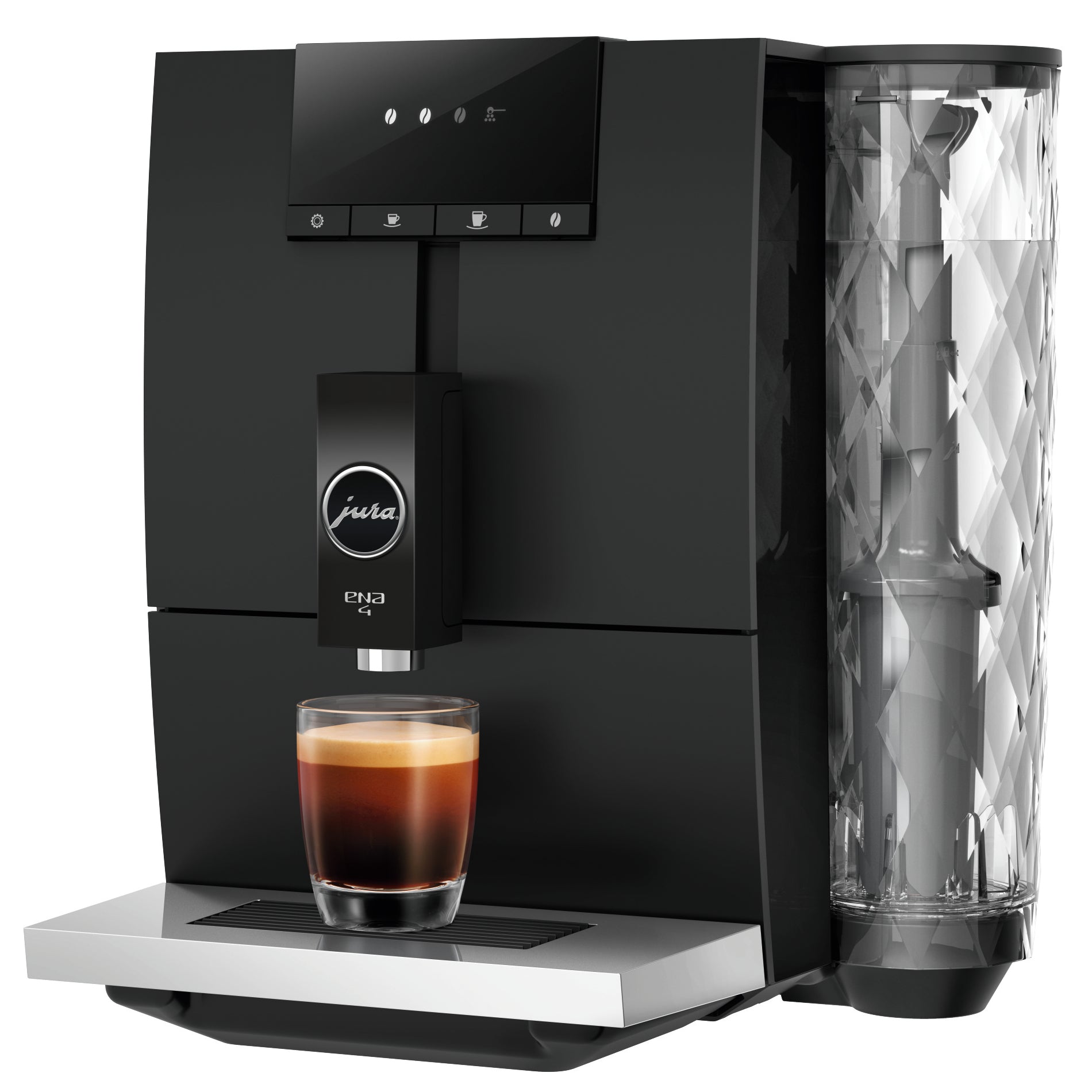
  • Jura ENA 4: ultra-compact design for espresso purists

This head-to-head comparison breaks down features, performance differences, and ownership considerations to help you choose the right super-automatic espresso machine.

Gaggia Magenta Prestige

Gaggia Magenta Prestige

$2,073

Price approx. & subject to change

Check Price
VS
Jura ENA 4

Jura ENA 4

$999

Price approx. & subject to change

Check Price

Buy the Magenta Prestige if you:

  • Want a modern interface with a sturdy carafe system.
  • Want a removable brew group for thorough manual cleaning.
  • Prefer a ceramic grinder that resists overheating.

Buy the ENA 4 if you:

  • Drink strictly espresso or black coffee.
  • Prefer a fixed brew group that cleans itself automatically.
  • Want the Pulse Extraction Process (P.E.P.) in the smallest possible footprint.

Which is better: Gaggia Magenta Prestige or Jura ENA 4?

"Choose the Magenta Prestige if you prioritize a modern interface with a sturdy carafe system. Pick the ENA 4 if ultra-compact design for espresso purists matters more to you."

Specs Comparison: Gaggia Magenta Prestige vs Jura ENA 4

Feature Magenta Prestige ENA 4
Why Buy This? a modern interface with a sturdy carafe system ultra-compact design for espresso purists
Interface TFT Color Symbol Display
Milk System Auto Carafe
Drink Variety 12 Drinks 4 Drinks
User Profiles 0 0
Grinder Ceramic Flat Steel Conical
Water Tank 60.0 oz 37.0 oz
Bean Hopper 8.8 oz 4.4 oz
Brew Group Removable Fixed
Dimensions 8.8x17.1x14 10.7x17.5x12.7
Connectivity No Yes
Special Feature Modern Interface Ultra Compact
Architectural Divide: The Gaggia Magenta Prestige uses a Removable brew group, while the Jura ENA 4 uses a Fixed group. Removable groups require manual weekly rinsing, whereas fixed groups rely entirely on automated chemical cleaning cycles.
Maintenance & Longevity
Burr Type Ceramic Conical Burr (Gaggia ceramic grinder) Steel Conical (Jura Aroma series)
Oil Sensitivity Score (1-5) 3/5 5/5
Annual Maintenance (Est) $175 $170
Descale Interval 2 Months Likely never required if changing the filter regularly.
Critical Maintenance Warning

Don't Ruin Your New Investment

Regardless of which machine you choose, both rely on internal grinders that are sensitive to oily beans. To keep your Gaggia and Jura out of the repair shop, stick to these non-oily selections.

Frequently Asked Questions

Is the Magenta Prestige better than the ENA 4?
It depends on your priorities. The Gaggia Magenta Prestige excels for users who want a modern interface with a sturdy carafe system, while the Jura ENA 4 is the better choice if you prioritize ultra-compact design for espresso purists.
How do the grinders compare?
The Magenta Prestige uses a Ceramic Flat, whereas the ENA 4 features a Steel Conical. While both are high-quality internal systems, they are sealed components. To prevent clogging and avoid expensive repairs, we strongly recommend using non-oily, medium-roast beans in both machines.
Which machine is easier to clean?
Architectural Divide: The Gaggia Magenta Prestige uses a Removable brew group, while the Jura ENA 4 uses a Fixed system. Removable groups allow for manual rinsing under a tap, whereas fixed groups rely entirely on automated chemical cleaning cycles.
Which machine costs more to maintain?
The Gaggia Magenta Prestige is generally more expensive to maintain over time. We project an estimated annual maintenance cost of $175 for the Gaggia versus $170 for the Jura, assuming average daily usage and strictly following the manufacturer's recommended replacement schedule.
Which machine handles oily coffee beans better?
The Gaggia Magenta Prestige is more forgiving if you prefer dark, oily roasts. The Jura ENA 4 has a higher oil sensitivity score, making its integrated grinder and brew unit more susceptible to rapid clogging and internal mechanical failure if fed oily beans regularly.