
Philips 3300 Series
Check Price on AmazonHigh‑end superautomatic espresso machines rely on clean, low‑residue grinders for consistent performance.
Super-automatic machines like your Philips 3300 Series with built-in grinders are sensitive to oily coffee beans. These recommendations focus on dry, grinder-safe beans that taste great and won’t clog internal components.
Disclosure: As an Amazon Associate I earn from qualifying purchases.
Super-automatic espresso machines use sealed internal grinders. Unlike standalone grinders, these cannot be fully disassembled or deep-cleaned by the owner.
"The LatteGo system is easy to clean, but ensure you lubricate the brew group every 500 cups to maintain performance."
Feature Note: SilentBrew Technology
Dark, shiny coffee beans release surface oils during grinding. Inside a closed system, those oils bind coffee dust and form a sticky residue.
Every bean recommended below is medium to medium-dark roasted with a dry, matte surface — chosen specifically to flow cleanly through super-automatic grinders.
|
Oil Sensitivity Score
Scale: 1 (Robust) to 10 (Sensitive). High scores mean avoid oily beans. |
3 / 10 |
|---|---|
| Drivetrain | Ceramic Flat Burr (Philips, 12-step) |
| Annual Cost | $140 |
| Descale Every | 48 mo |
Based on service center data and user reports.
High‑end superautomatic espresso machines rely on clean, low‑residue grinders for consistent performance.
The Philips 3300 Series scores 3/10 on our oil sensitivity scale — its Ceramic Flat Burr (Philips, 12-step) grinder is forgiving with most roast levels. These are the best-performing beans at this price point.
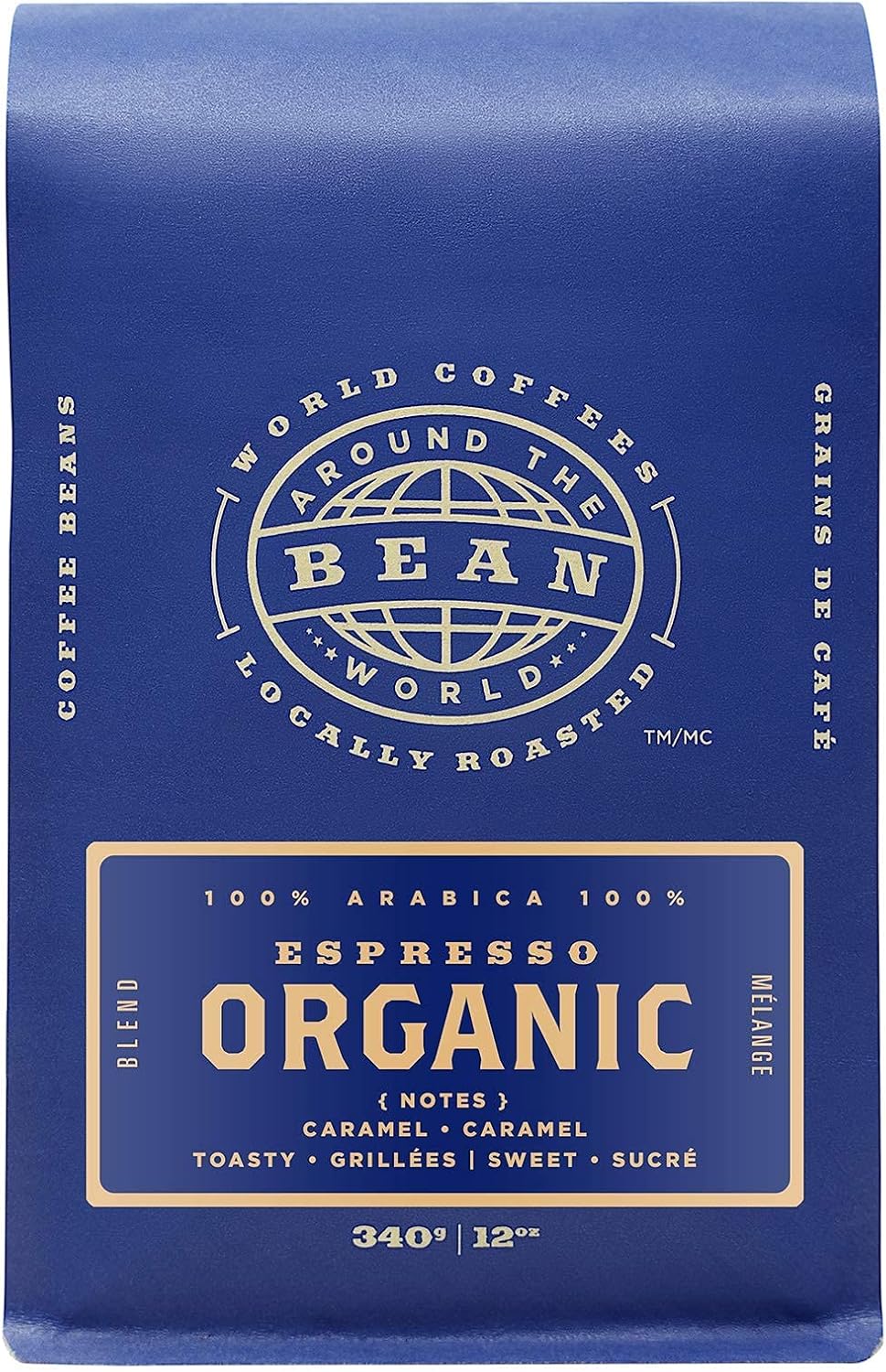
A Vancouver roaster since 1990, and a consistent Amazon pick for organic espresso. This balanced blend delivers chocolate and toasted caramel — clean, approachable, and easy on your grinder.

Canada's most reliable coffee. That 62-year-old recipe is unchanged for a reason — smooth, balanced, no drama. It pulls a clean medium-roast shot and won't leave residues in your grinder.

A Canadian legend. Since it is a Medium roast, it is much safer for your machine than their other dark roasts (which are too oily).
 Check Amazon.ca
Placeholder
Check Amazon.ca
Placeholder
The Philips 3300 Series is a precision appliance. While oily coffee beans may look rich and appealing, they can quietly undermine performance, consistency, and longevity—especially in premium machines with integrated grinders.
Coffee beans naturally contain oils locked inside their cellular structure. As beans are roasted darker and longer, those oils migrate to the surface. The glossy sheen commonly associated with dark roasts is a visual indicator of surface oil exposure, not freshness.
While these oils contribute aroma and mouthfeel in certain brewing methods, they introduce mechanical challenges for machines that grind, dose, tamp, and brew automatically.
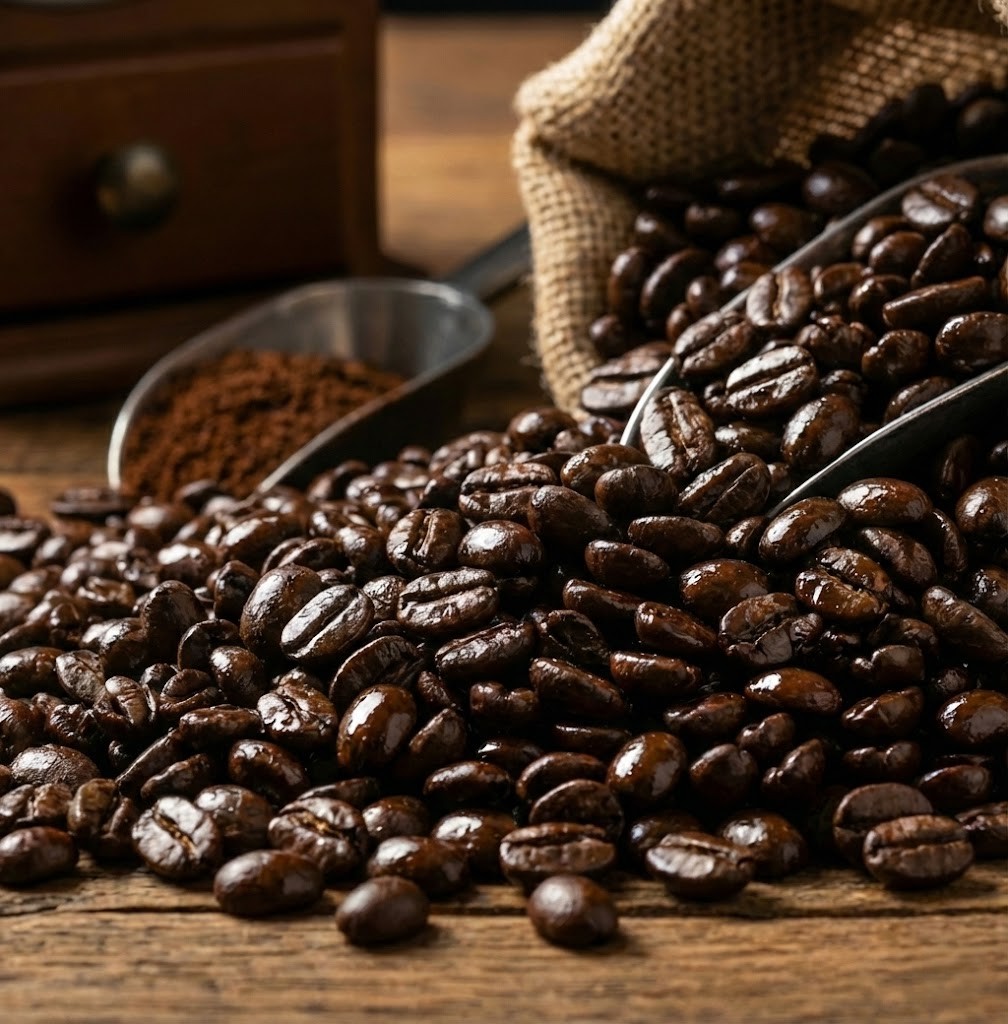
❌ Too Oily
Avoid these shiny, sticky beans
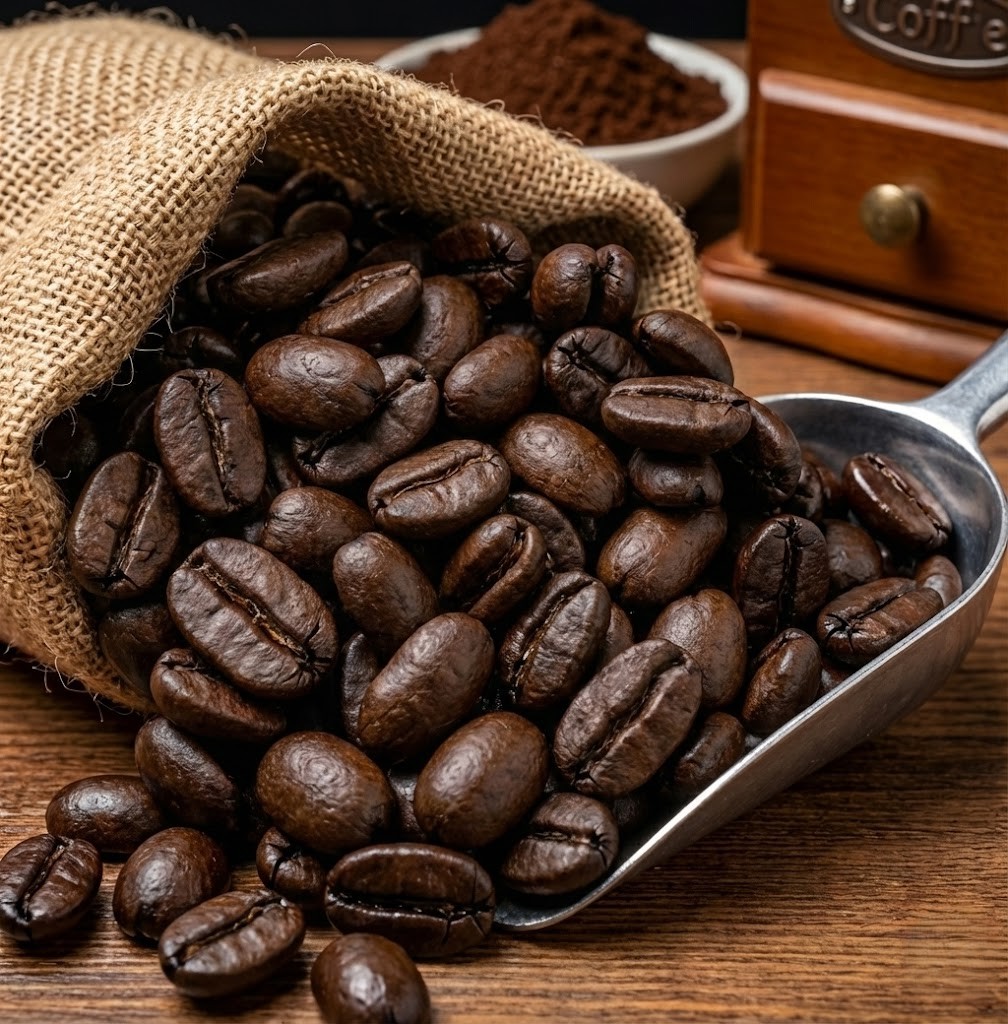
✅ Not Oily
Safe matte finish
Integrated burr grinders are designed to process dry, free‑flowing beans. Oily beans tend to stick together, clump during grinding, and leave residue behind on burrs and chutes. Over time, this buildup hardens and interferes with grind consistency.
In superautomatic machines, even small deviations in grind uniformity can translate into noticeable changes in extraction quality and cup balance.
Beyond the grinder, surface oils migrate into the brew group and internal pathways. Oils attract fine coffee particles, forming sticky deposits that are difficult to remove with standard rinse cycles.
The result is increased friction, inconsistent puck formation, and eventually mechanical strain. For machines engineered with tight tolerances, this accelerates wear and shortens service intervals.
Oily residue is resistant to water alone. Machines exposed to oily beans often require more frequent deep cleaning, stronger detergents, and earlier component replacement.
For owners of premium superautomatic machines, this translates into higher long‑term ownership costs and avoidable downtime.
Oily coffee beans are not inherently bad—but they are poorly matched to the engineering realities of superautomatic espresso machines. Understanding this mismatch is essential to preserving performance, reliability, and the refined experience these machines are built to deliver.
Applying 25 years of rigorous IT diagnostic methodology to super-automatic espresso machines, mapping structural points of failure, grinder longevity, and the pervasive risks of using oily beans in sealed systems.
Disclosure: As an independent analyst, I earn from qualifying Amazon purchases to fund continued teardowns and independent research.
